
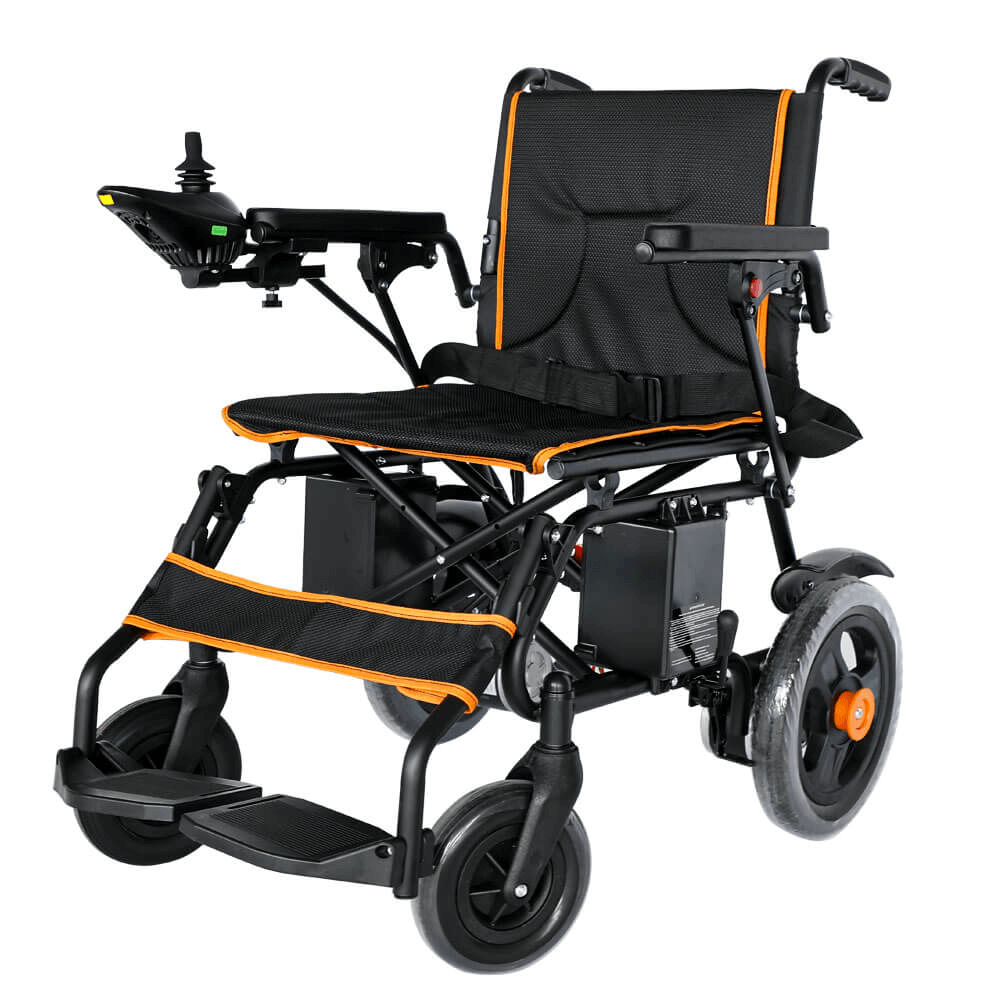
Mobility Solutions for Senior and Assisted Living Buyers
Mobility solution guide for senior care, assisted living, distributors, and project buyers comparing model fit, stability, MOQ, and quotation preparation.

B2B Buyer Notes
Senior and assisted living mobility programs should select models by user safety, comfort, daily route, service support, documentation, and local compliance needs.
Key Points to Confirm Before Quotation
- Confirm user group, operating environment, storage space, indoor or outdoor use, and required assistance level.
- Compare scooters, trikes, and other electric mobility models by stability, control layout, battery range, and service access.
- Plan spare parts, manuals, packaging, branding, inspection needs, and delivery schedule before quotation.
Information to Send Easyway
- Project type and destination market
- Expected quantity and user requirements
- Model type, battery, comfort, and safety needs
- Documentation, spare parts, packaging, and shipment timeline
Standard project MOQ: 50 units. Final model mix, lead time, packaging, certificates, and shipping plan should be confirmed before order.
Request Product List or contact easywayebike@gmail.com with your project details.
Introduction: Mobility as Part of Everyday Independence
As global aging accelerates and more adults live with temporary or long-term mobility limitations, access to safe and reliable daily mobility aid solutions has become essential. For seniors and disabled adults, mobility is not about speed — it is about independence, dignity, and confidence in everyday life.
Modern mobility solutions for seniors now focus on low-speed stability, easy control, and adaptability to real-life environments such as homes, communities, and care facilities.
WHO – Ageing and health
Senior Daily Mobility
For elderly users, daily mobility often involves short-distance activities such as visiting neighbors, shopping within the community, or simply moving safely outdoors. Devices designed for senior use prioritize comfort, balance, and intuitive operation.
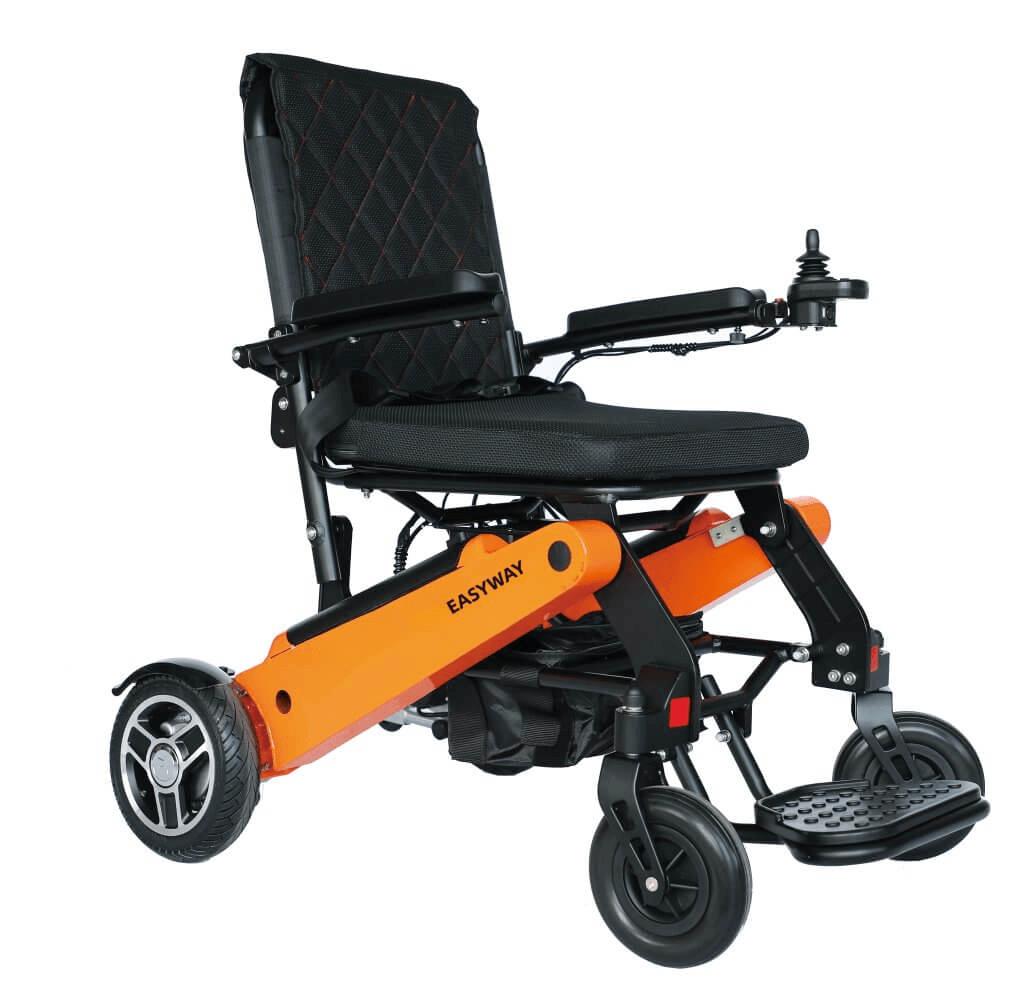
Some electric mobility devices use lightweight aluminum frames and dual-motor systems to support smoother movement and stronger climbing ability on ramps or uneven paths. Others focus on low-speed control and stable wheel designs to improve confidence during everyday use.
These solutions allow seniors to remain active participants in daily life while reducing reliance on caregivers or family members.
Rehabilitation & Injury Recovery
Electric mobility devices are also widely used as electric mobility for disabled adults recovering from surgery, injury, or long-term conditions. During rehabilitation, users often need controlled mobility that minimizes physical strain while encouraging gradual movement.
Devices equipped with intelligent controllers, reliable braking systems, and adjustable handlebars help users maintain balance and safety during recovery. Stable seating and moderate speed limits are especially important in rehabilitation environments.
UN – Disability and development
Community & Care Facility Use
In community centers, assisted living facilities, and care homes, mobility devices must balance durability with ease of use. Steel-frame designs with solid or low-maintenance tires are often preferred in shared indoor or semi-outdoor environments.
Compact dimensions and simple controls make these devices suitable for daily circulation within care facilities, improving accessibility for both users and caregivers.
Choosing the Right Mobility Device
Selecting the right mobility device depends on real-life usage scenarios rather than technical specifications alone. Key considerations include:
- Daily travel distance and environment
- Required weight capacity and seating comfort
- Terrain and slope conditions
- Storage, transport, and maintenance needs
By focusing on application scenarios, users and organizations can choose mobility solutions that offer long-term safety, comfort, and reliability.
OEM Mobility Solutions for Scenario-Based Needs
As mobility demands continue to diversify, OEM customization plays an important role in meeting different application requirements. Scenario-based customization allows manufacturers to adapt mobility solutions for community use, rehabilitation support, or elderly daily travel.
Customization options may include frame materials, battery systems, braking solutions, and ergonomic adjustments.
Call to Action
Looking for pricing, OEM customization options, or bulk supply details for the A01 and B02?
👉 Contact us to request a full specification sheet or partnership proposal.