
Sustainable Urban Mobility in 2026: Why Versatile Electric Bikes Are Becoming More Important

Meta Description: Discover how sustainable urban mobility is evolving in 2026 and why versatile electric bikes can support commuting, recreation, active mobility and flexible urban transportation.
Sustainable Urban Mobility in 2026: Why Versatile Electric Bikes Are Becoming More Important
Urban transportation is changing.
Cities around the world are dealing with congestion, emissions, limited parking, rising transportation costs and growing demand for convenient mobility. At the same time, consumers are looking for transportation options that are practical enough for everyday use but flexible enough for different lifestyles.
This is creating a broader opportunity for electric bikes.
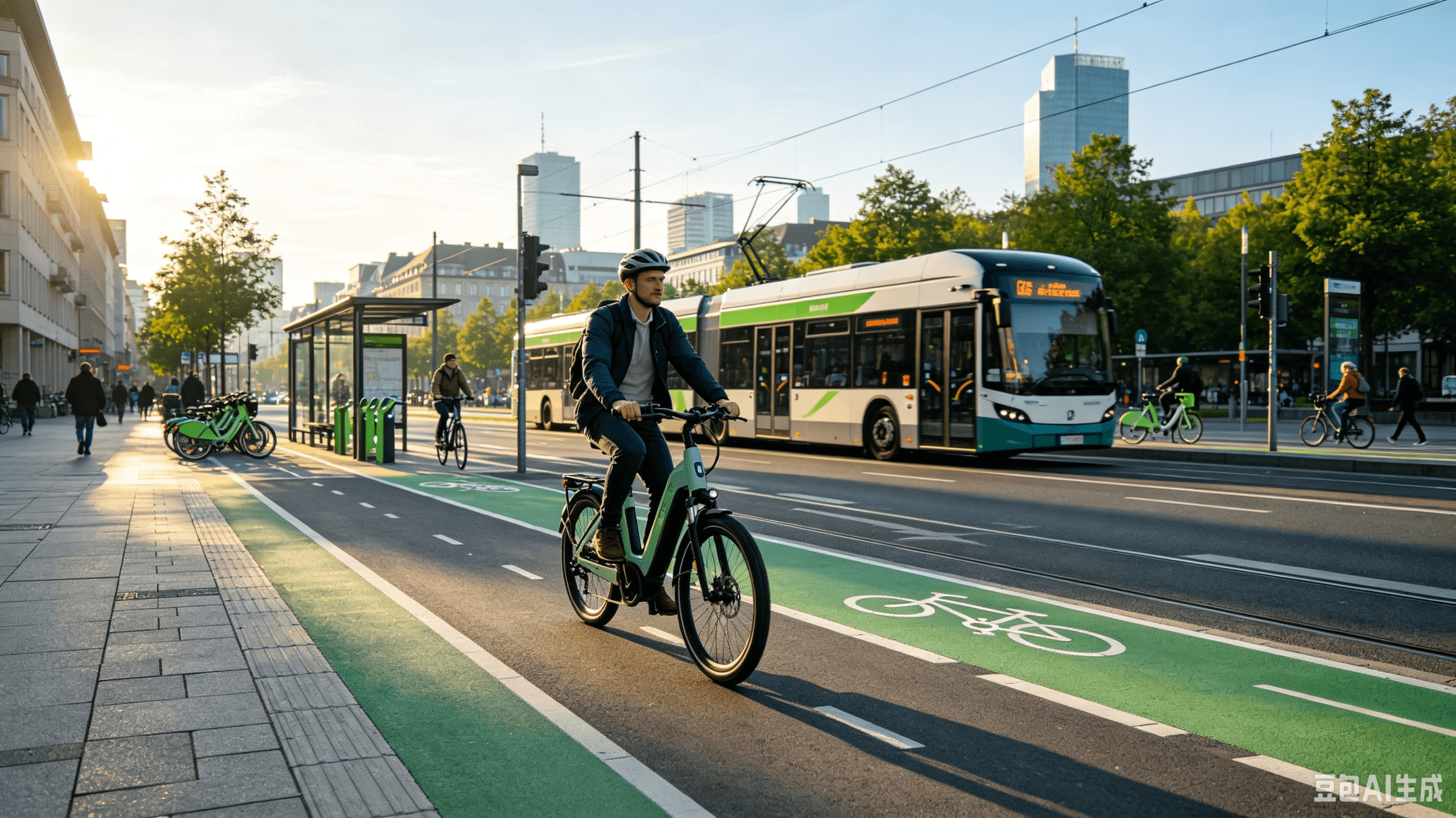
In 2026, sustainable urban mobility is no longer simply about replacing one vehicle with another. Cities are increasingly looking at mobility as an integrated system that combines public transportation, cycling, walking, shared mobility, low-emission vehicles and better infrastructure.
The European Commission’s 2026 Sustainable Urban Mobility Planning guidelines reflect this broader approach. The updated framework is designed to help cities develop more sustainable, inclusive and efficient mobility systems. The revised TEN-T framework also requires 431 European urban nodes to adopt Sustainable Urban Mobility Plans by the end of 2027.
At the same time, the European Commission’s 2026 Cycling Counts study identified more than 900,000 km of cycling paths and lanes across the EU, while nearly 24% of EU residents cycle at least once a week.
These developments create an important question for electric bike businesses:
What type of electric bike is best positioned for the changing mobility environment?
The answer may increasingly be found in versatile, multi-purpose electric bikes that can serve commuting, recreation, outdoor riding and everyday transportation.
1. Sustainable Urban Mobility Is Becoming a System, Not a Single Vehicle
Traditional transportation planning often focused heavily on private cars.
Modern urban mobility planning is broader.
A city may need to connect:
- Walking
- Cycling
- Electric bikes
- Public transportation
- Shared mobility
- Rail
- Low-emission vehicles
- Urban logistics
- Parking infrastructure
The European Commission describes Sustainable Urban Mobility Plans as strategic frameworks designed to address the mobility needs of people and businesses while improving quality of life. The approach considers integration, participation and evaluation rather than focusing on a single transport mode.
This creates an opportunity for electric bikes because they can operate between several traditional transportation categories.
An e-bike can be:
- A commuting vehicle
- A short-distance transportation tool
- A recreational vehicle
- A first-mile solution
- A last-mile connection to public transportation
- An alternative to some short car trips
This flexibility is one reason the electric bike category continues to attract attention from both consumers and mobility businesses.
2. Why Flexible Mobility Matters
Not every transportation need is the same.
A person may use a vehicle to commute on Monday, visit a park on Saturday and ride on an unpaved trail on Sunday.
This means consumers increasingly value products that can perform multiple roles.
A highly specialized vehicle may perform one task extremely well.
A versatile electric bike, however, can potentially cover several use cases.
For example, an all-terrain model can combine:
Urban riding
Commuting
Recreational cycling
Outdoor riding
Light trail use
The value is not necessarily that the bike is the fastest option in every environment.
The value is that the same product can adapt to different environments.
For retailers, this flexibility can also create a broader target market.
Instead of marketing one model only to mountain-bike customers, a versatile electric bike can potentially be positioned toward commuters, outdoor riders, leisure users and consumers looking for an all-purpose personal mobility option.
3. Cycling Infrastructure Is Expanding and Becoming More Measurable
The development of cycling infrastructure is another important market signal.
In June 2026, the European Commission published its first EU-wide Cycling Counts baseline study.
The study identified more than 900,000 km of cycling paths and lanes across the EU and established a methodology covering cycling networks, use, safety and cycling-related services such as bike sharing, parking and logistics.
This matters because infrastructure is an important part of mobility adoption.
When cities invest in:
- Cycling lanes
- Bike parking
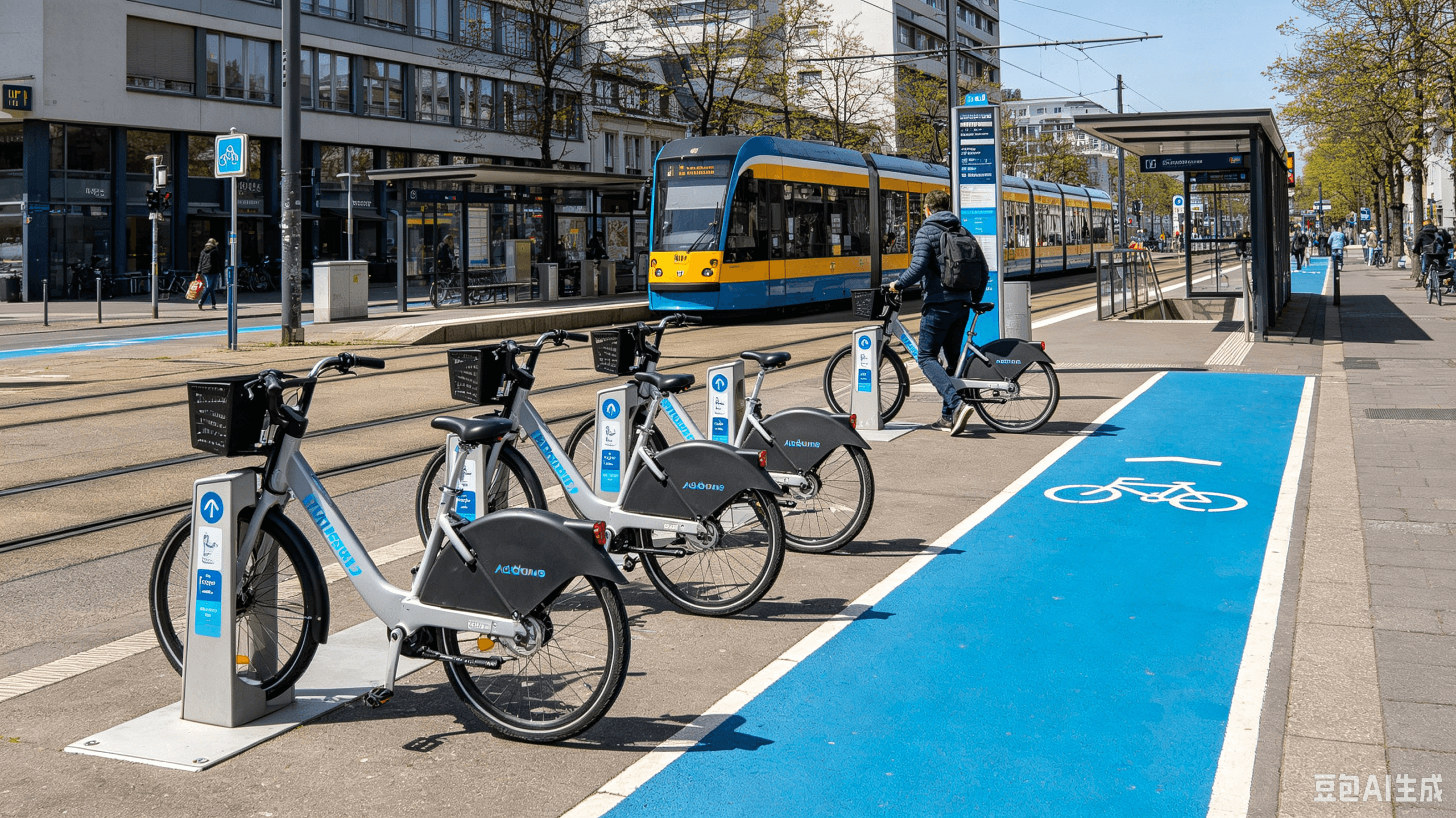
- Shared-bike systems
- Safer intersections
- Mobility hubs
- Cycling connections
they create more opportunities for two-wheeled transportation.
Electric bikes can benefit from this infrastructure because they extend the practical range and accessibility of cycling.
A rider who may find a conventional bicycle difficult for a longer commute may find an electric bicycle more practical.
4. Electric Bikes Can Expand the Practical Range of Cycling
One important advantage of electric assistance is that it can make longer or more demanding journeys more accessible.
Consider two riders.
One may be comfortable riding 5–10 km on a conventional bicycle.
Another may want to travel 15–30 km but is concerned about:
- Hills
- Wind
- Distance
- Physical effort
- Arriving at work tired
Electric assistance can reduce some of these barriers.
This does not mean an electric bike replaces every traditional bicycle.
Instead, it can expand the range of people and journeys for which cycling becomes practical.
The World Health Organization recognizes walking and cycling as forms of active mobility and notes their potential benefits for physical activity, health, environmental sustainability and urban mobility.
This makes e-bikes relevant not only as transportation products, but also as part of a broader active-mobility ecosystem.
5. Why All-Terrain Electric Bikes Are Interesting in This Market
Urban environments are not always completely urban.
A rider may encounter:
- Asphalt
- Concrete
- Bike paths
- Gravel
- Park roads
- Dirt roads
- Uneven surfaces
An electric bike designed only for smooth city pavement may have limitations outside the city center.
This is where an all-terrain electric bike can create a different value proposition.
The Q7, for example, combines:
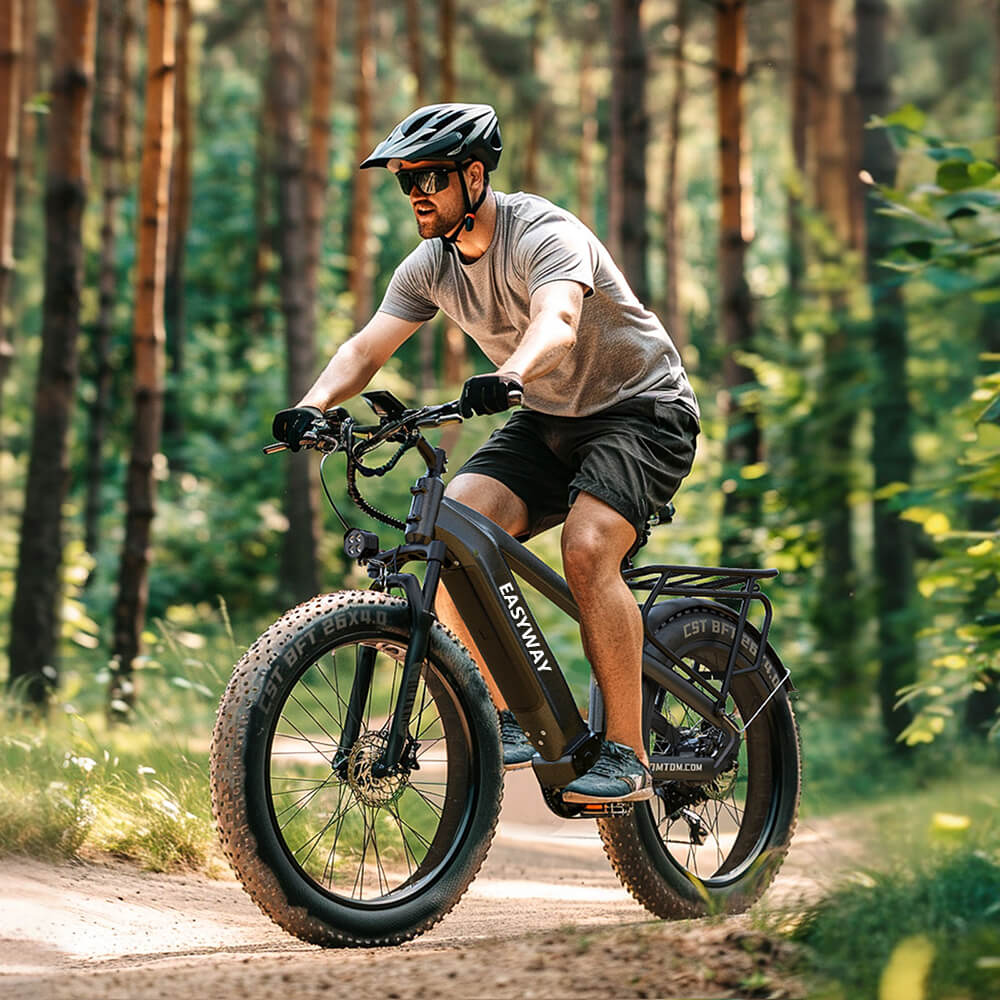
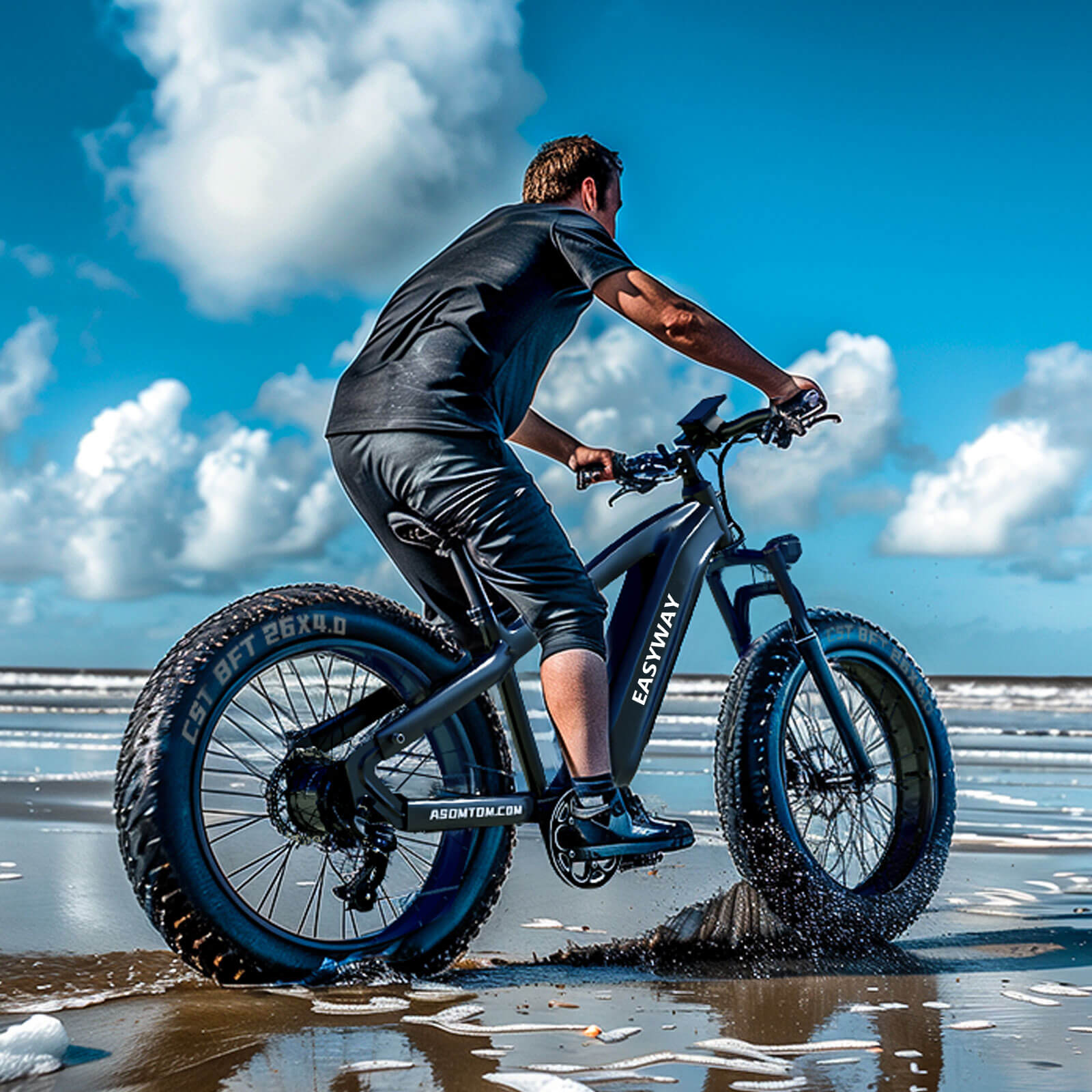
- 26×4.0-inch fat tires
- Full suspension
- 48V 750W BAFANG brushless motor
- Hydraulic disc brakes
- 7-speed Shimano transmission
- Aluminum alloy frame
- 48V 15.6Ah lithium battery
The objective of this type of configuration is not simply to increase power.
It is to create a bike capable of handling a wider variety of riding conditions.
For consumers, that can mean one bicycle for multiple activities.
For distributors, it can mean one product platform that can potentially appeal to several customer segments.
Q7 48V 750W All-Terrain Electric Bike
6. Fat Tires Can Support Multi-Surface Riding
One of the most recognizable characteristics of an all-terrain electric bike is the fat tire.
The Q7 uses:
26×4.0-inch fat tires
A wider tire can provide a different contact profile and can be useful when riding over surfaces such as:
- Gravel
- Sand
- Dirt
- Uneven paths
- Loose terrain
However, tire selection is always a balance.
Fat tires can add weight and rolling resistance compared with narrower road-oriented tires.
Therefore, a fat-tire electric bike should not automatically be considered superior to every other e-bike.
Its value comes from matching the product to the intended riding environment.
This is another important principle for the 2026 mobility market:
The best mobility product is not necessarily the most powerful product. It is the product that matches the user’s real transportation needs.
7. Suspension Becomes More Important When One Bike Has Multiple Roles
A versatile electric bike may encounter more surface changes than a dedicated road commuter.
That makes suspension another important design element.
The Q7 uses:
Front hydraulic suspension + rear suspension
This configuration is intended to improve comfort and control across different riding surfaces.
For a retailer, suspension can also create a clear product-positioning advantage.
A city-only e-bike may emphasize:
- Lightweight construction
- Upright riding
- Practical accessories
An all-terrain model can emphasize:
- Comfort
- Stability
- Fat tires
- Suspension
- Outdoor capability
The important point is to connect the specification with a real customer benefit rather than simply listing components.
8. Battery Capacity Matters for Flexible Daily Use
A multi-purpose electric bike needs enough energy capacity to support different types of journeys.
The Q7 uses a:
48V 15.6Ah lithium battery
Its published PAS range is approximately:
50–70 km
Actual riding range will vary depending on:
- Rider weight
- Riding speed
- Terrain
- Temperature
- Assist level
- Tire pressure
- Wind
- Stop-and-go traffic
- Payload
This distinction is important for responsible marketing.
A manufacturer should present range as a practical estimate under defined conditions rather than as a guaranteed distance for every rider.
For consumers, the better question is not:
“What is the maximum range?”
It is:
“Is the usable range sufficient for my normal daily trips?”
For distributors, this also helps prevent unrealistic expectations after the product reaches the market.
9. Sustainable Mobility Is Also About Accessibility
A successful mobility system should not only reduce emissions.
It should help more people access transportation.
The World Health Organization’s 2026 policy brief on cycling and walking highlights the relationship between active mobility, physical activity, mental health and sustainable transportation, and supports investment in safe active mobility across the life course.
Electric bikes can contribute to this broader discussion by lowering some of the physical barriers associated with conventional cycling.
For example, electric assistance can help riders manage:
- Longer distances
- Hills
- Headwinds
- Frequent commuting
- Heavy loads
This does not mean every person or every trip is suitable for an e-bike.
Rather, electric assistance can expand the range of circumstances in which two-wheeled mobility becomes practical.
10. What This Means for Electric Bike Retailers
The changing mobility environment also creates an opportunity for retailers to rethink product positioning.
Instead of selling an electric bike only through technical specifications, retailers can organize products around customer needs.
For example:
Urban Commuter
Focus on:
- Range
- Comfort
- Practicality
- Daily reliability
Outdoor Rider
Focus on:
- Suspension
- Fat tires
- Motor performance
- Battery
Leisure Rider
Focus on:
- Comfort
- Recreation
- Easy riding
- Versatility
Multi-Purpose Customer
Focus on:
- One bike for different environments
- City + outdoor use
- Weekend recreation
- Daily transportation
This approach makes the product easier for customers to understand.
11. Why Versatility Can Also Matter for Distributors
Product versatility can be commercially interesting for B2B buyers.
A distributor does not necessarily want dozens of highly specialized models.
Too many models can create:
- Higher inventory costs
- More spare parts
- More training requirements
- More marketing materials
- More SKU management
- More after-sales complexity
A well-positioned multi-purpose model can potentially cover several customer segments.
For example, the Q7 can be marketed around:
All-Terrain
Outdoor Recreation
Daily Transportation
Mountain Riding
Fat-Tire Riding
This does not mean every customer needs exactly the same configuration.
OEM customization can allow distributors to adapt branding, colors, packaging and selected specifications for their target markets.
Electric Bike OEM and ODM Customization
12. Urban Mobility Is Becoming More Data-Driven
Another important development in 2026 is the growing role of mobility data.
In July 2026, the European Commission adopted an implementing regulation establishing common urban mobility indicators covering sustainability, safety and accessibility. EU Member States are required to submit the first set of data by the end of 2027.
This is significant because urban mobility decisions are increasingly expected to be measurable.
Cities want to understand:
- How people travel
- Which transport modes are used
- Where congestion occurs
- How safe transport systems are
- How accessible mobility is
- How sustainable transportation policies are performing
For mobility businesses, this creates a broader shift:
Transportation products increasingly need to fit into measurable mobility systems.
Electric bikes can potentially play a role in these systems because they are relatively flexible and suitable for short and medium-distance trips.
EU Urban Mobility Indicators – European Commission
13. Sustainable Mobility Does Not Mean One Vehicle Replaces Everything
There is a common misconception that sustainable transportation means replacing cars with one alternative vehicle.
In reality, modern urban mobility is likely to be multimodal.
A person might:
Walk → take a train → use an e-bike → walk to the final destination
Another person might:
Ride an e-bike → park at a transit hub → take public transportation
Another may use an e-bike for the entire trip.
This is why flexibility matters.
The European Commission’s Sustainable Urban Mobility framework emphasizes integration between different mobility modes and improving connections within urban areas.
Electric bikes can therefore be viewed not only as standalone transportation products but also as potential components within a larger mobility network.
14. What Should an Electric Bike Brand Focus on in 2026?
For brands developing electric bike products in 2026, several factors are becoming increasingly important.
1. Practicality
Customers want products that solve real transportation problems.
2. Versatility
A multi-purpose product can potentially reach a wider audience.
3. Safety
Battery, braking, electrical and structural safety remain essential.
4. Compliance
Products need to match the regulatory requirements of their target markets.
5. Reliability
Consumers and distributors want consistent performance over time.
6. Sustainability
Products should fit broader sustainable transportation trends without relying on exaggerated environmental claims.
7. Serviceability
Replacement parts and technical support become increasingly important as installed product volume grows.
These principles can help brands create products that are commercially useful rather than simply technically impressive.
15. Why Q7 Fits the Multi-Purpose E-Bike Concept
The Q7 combines several characteristics that support a multi-purpose positioning.
Its:
48V 750W BAFANG motor
provides strong electric assistance for demanding riding conditions.
Its:
48V 15.6Ah battery
supports longer recreational and daily journeys.
Its:
26×4.0 fat tires
are designed for a broader range of surfaces than narrow road tires.
Its:
front and rear suspension
supports comfort on uneven terrain.
Its:
hydraulic disc brakes
provide a higher-level braking configuration for a relatively powerful all-terrain e-bike.
Its:
Shimano 7-speed transmission
allows the rider to select different mechanical gearing according to riding conditions.
Together, these specifications create a product positioned around versatility rather than a single use case.
16. The Opportunity for B2B Electric Bike Businesses
The changing mobility landscape is not only relevant to consumers.
It also creates opportunities for:
- Electric bike distributors
- Outdoor retailers
- Mobility brands
- Rental operators
- Urban mobility businesses
- OEM customers
- Sporting goods retailers
A versatile product can be positioned differently depending on the sales channel.
For example:
Outdoor Retailer
→ Emphasize fat tires, suspension and trail capability.
Urban Mobility Retailer
→ Emphasize commuting, range and flexible transportation.
E-Bike Brand
→ Use OEM customization to develop a differentiated product identity.
Rental Business
→ Focus on durability, maintenance and standardized configurations.
The same technical platform can therefore potentially support multiple commercial strategies.
17. What the 2026 Mobility Trend Means for the Future
The direction of sustainable urban mobility suggests that cities are increasingly looking for transportation systems that are:
Safe
Accessible
Efficient
Low-emission
Connected
Multimodal
Electric bikes cannot solve every urban transportation problem.
But they can occupy an important position between walking and larger motorized vehicles.
They are particularly relevant for journeys that are:
- Too long to walk
- Short enough that a car is unnecessary
- Difficult on a conventional bicycle
- Connected to public transportation
- Recreational as well as practical
That middle ground may become increasingly valuable as cities rethink how people move.
Frequently Asked Questions
Why are electric bikes relevant to sustainable urban mobility?
Electric bikes can provide a low-emission option for short and medium-distance trips and can complement walking, public transportation and other active-mobility modes.
Are all-terrain electric bikes suitable for cities?
They can be, provided their specifications and legal classification are appropriate for the intended market. Fat tires and suspension can provide versatility, although they may add weight compared with lightweight urban models.
Why are fat-tire electric bikes becoming popular?
Fat tires can provide greater versatility across different surfaces, making them attractive to riders who want to combine urban roads with gravel, dirt and recreational riding.
Can an electric bike replace a car?
For some short and medium-distance journeys, an e-bike may be a practical alternative to driving. However, it cannot replace a car for every trip, especially where passengers, large cargo or long-distance travel are involved.
What makes Q7 suitable for multi-purpose riding?
Q7 combines a 48V 750W BAFANG motor, 48V 15.6Ah battery, 26×4.0 fat tires, full suspension, hydraulic disc brakes and Shimano 7-speed transmission, creating a configuration aimed at both urban and outdoor riding.
Is sustainable mobility only a European trend?
No. Sustainable mobility is a broader global transportation trend. However, European policy provides particularly clear examples of how cities are integrating active mobility, public transportation, urban planning and emissions reduction.
What should distributors consider when selecting an e-bike for this market?
Distributors should evaluate the target customer, riding environment, regulations, product versatility, battery and motor configuration, safety, OEM options, spare parts and long-term supplier support.
Conclusion: Versatility May Be One of the Biggest E-Bike Opportunities in 2026
The future of sustainable urban mobility is unlikely to depend on one single transportation technology.
Instead, cities are building systems that combine walking, cycling, public transportation, shared mobility and other low-emission options.
The latest European developments illustrate this direction clearly. The EU updated its Sustainable Urban Mobility Planning guidelines in 2026, introduced common urban mobility indicators and established a new EU-wide baseline for cycling infrastructure.
For electric bike businesses, the opportunity is not simply to produce a more powerful motor or a larger battery.
The larger opportunity is to create products that are:
Practical enough for everyday transportation.
Comfortable enough for longer rides.
Versatile enough for different environments.
Reliable enough for commercial use.
Flexible enough for different markets.
The Q7 represents this multi-purpose approach through its combination of a 48V 750W BAFANG motor, 48V 15.6Ah battery, 26×4.0 fat tires, full suspension, hydraulic disc brakes and Shimano 7-speed transmission.
For consumers, that means one product can support multiple riding scenarios.
For distributors and brands, it creates a platform that can be positioned across several growing mobility segments.
As sustainable urban mobility continues to evolve, versatility may become one of the most valuable characteristics of the next generation of electric bikes.